Molecular Farming
Reimagined
Our proprietary technology stack combines plant genetic engineering, molecular biology, and digital computation to produce pharmaceutical-grade vaccine antigens at a fraction of conventional costs.
Molecular Farming Platform
Plants as biofactories — a paradigm-shifting approach to pharmaceutical protein production.
Host Selection
Nicotiana benthamiana — the primary expression host. High transformation efficiency, rapid growth, and extensive validation in molecular farming literature.
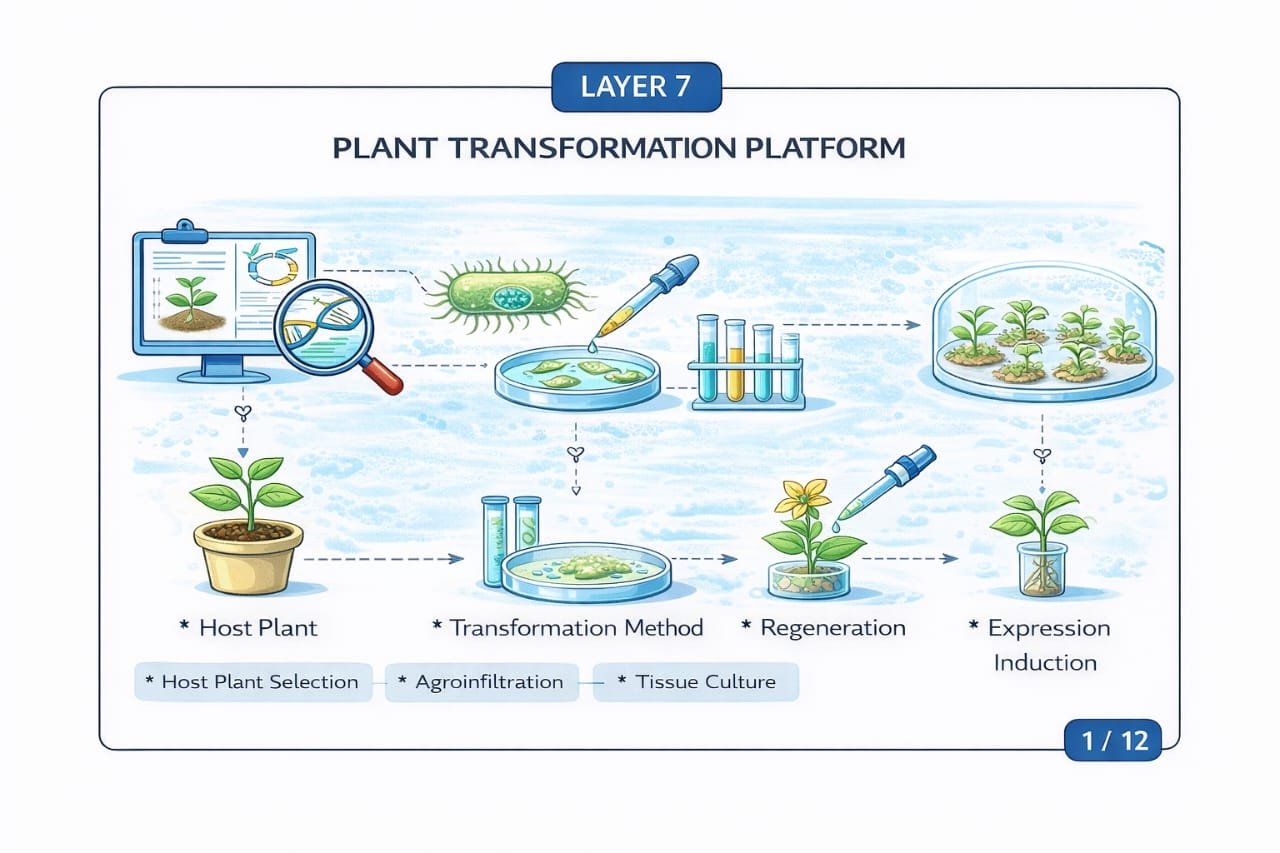
Transient Expression
Agrobacterium-mediated infiltration enables rapid, high-yield protein production within 5–7 days of transformation — ideal for outbreak response scenarios.
Scalable Infrastructure
Greenhouse-scale production eliminates the need for sterile bioreactor facilities, dramatically lowering capital requirements for local manufacturing.
5–7 days from infiltration to harvest
Genetic Engineering Strategy
Codon Optimization
Computational redesign of target gene sequences for optimal expression in plant translational machinery, maximizing protein yield.
Signal Peptide Engineering
Subcellular targeting signals direct proteins to the endoplasmic reticulum, optimizing post-translational folding and glycosylation patterns.
Binary Vector Construction
pTRBO-based and similar binary vector systems engineered with strong constitutive and inducible promoters for controlled antigen expression.
Stable Transformation
T-DNA integration into plant chromosomes for heritable, stable expression lines — critical for long-term manufacturing scalability.
Silencing Suppression
P19 and other post-transcriptional gene silencing suppressors co-expressed to maximize and sustain recombinant protein accumulation.
CRISPR Integration
Roadmap includes CRISPR-Cas9-mediated precision edits to enhance host plant immunogenicity suppression and expression capacity.
Antigen Expression System
The HBsAg (Hepatitis B surface antigen) serves as our lead model — a globally relevant vaccine target with established clinical validation and complex protein architecture ideal for demonstrating platform capability.
Why HBsAg?
Hepatitis B infects over 300 million people globally. The surface antigen is a proven vaccine immunogen with decades of clinical data. Its VLP (virus-like particle) structure makes it ideal for plant-based expression.
Expression Targets
Target: >100 µg/g fresh weight leaf biomass. Current benchmark systems achieve 50–200 µg/g. Our optimization pathway targets the upper range using enhanced promoter-silencing suppressor combinations.
Digital Biotechnology Framework
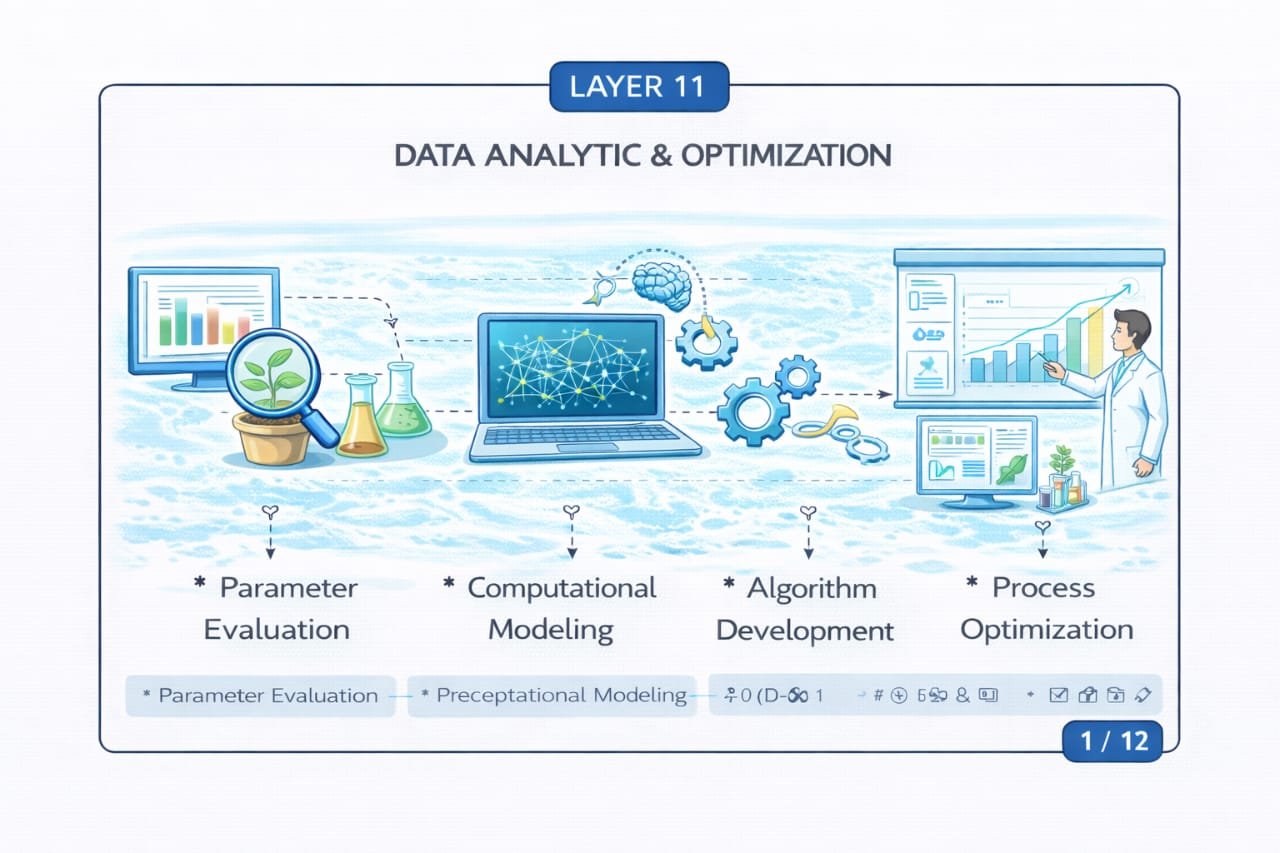
We integrate computational intelligence into every stage of our research pipeline — from in-silico antigen design to AI-assisted protein structure prediction.
AI-Assisted Design
AlphaFold2 and RoseTTAFold integration for de novo protein structure prediction, enabling rapid evaluation of antigen candidates before laboratory synthesis.
Bioinformatics Pipeline
Custom computational workflows for codon optimization, regulatory element analysis, and expression cassette design using tools including EMBOSS, SnapGene, and CLC Genomics.
Data-Driven Optimization
Machine learning models trained on expression data to predict yield-maximizing conditions — temperature, infiltration density, harvest timing, and extraction parameters.
Scalability Vision
From laboratory benchtop to continental-scale manufacturing — our platform is designed to scale through modular, distributed, and low-infrastructure production models.
Distributed Manufacturing Model
Unlike centralized bioreactor facilities requiring $500M+ capital investment, our plant-based model supports distributed greenhouse networks requiring as little as $500K per site.
This enables manufacturing to be established close to demand centers — reducing distribution costs, cold-chain requirements, and supply chain risk simultaneously.
Implementation Journey
From molecular blueprint to global distribution — the 12-step lifecycle of a GreenHelix project.
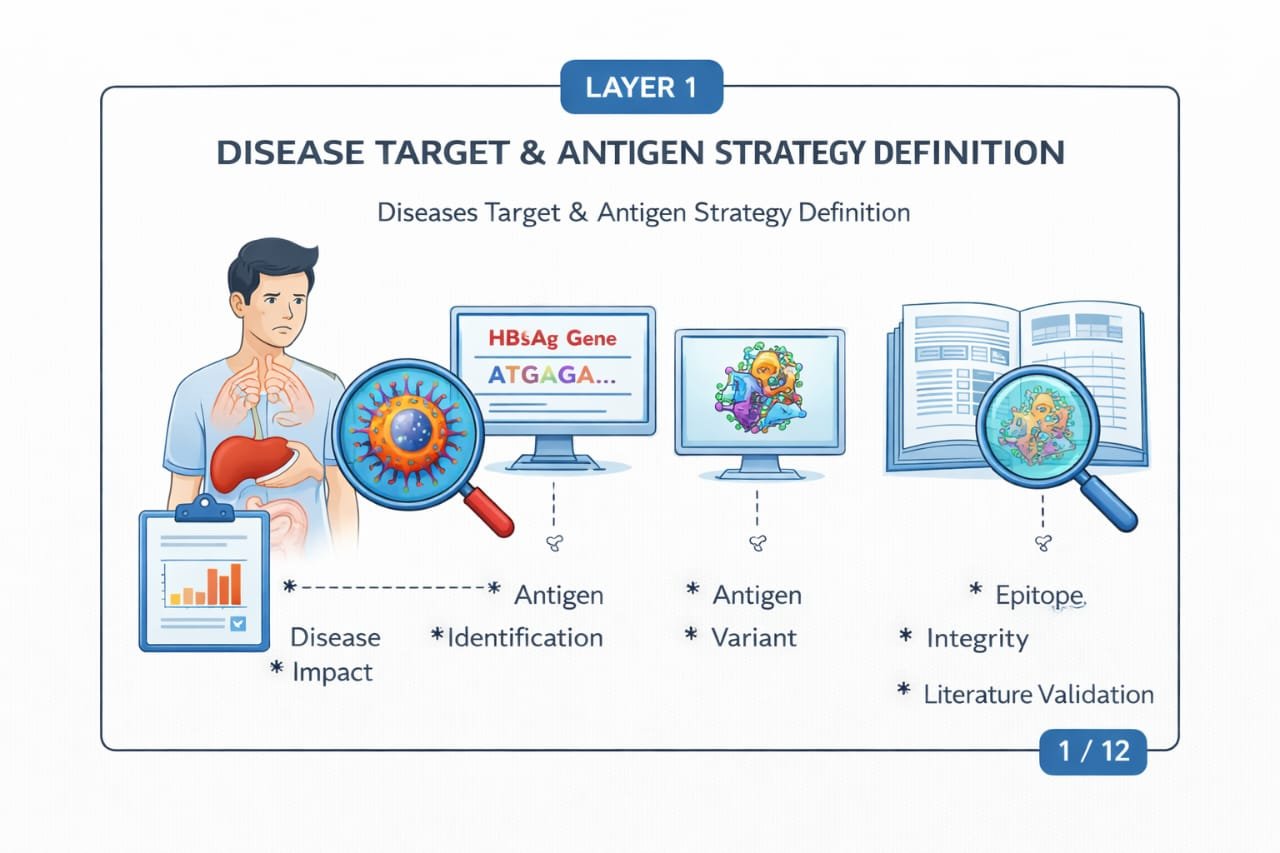
Target Identification
Selection of high-impact vaccine antigens based on global epidemiological data and clinical relevance.
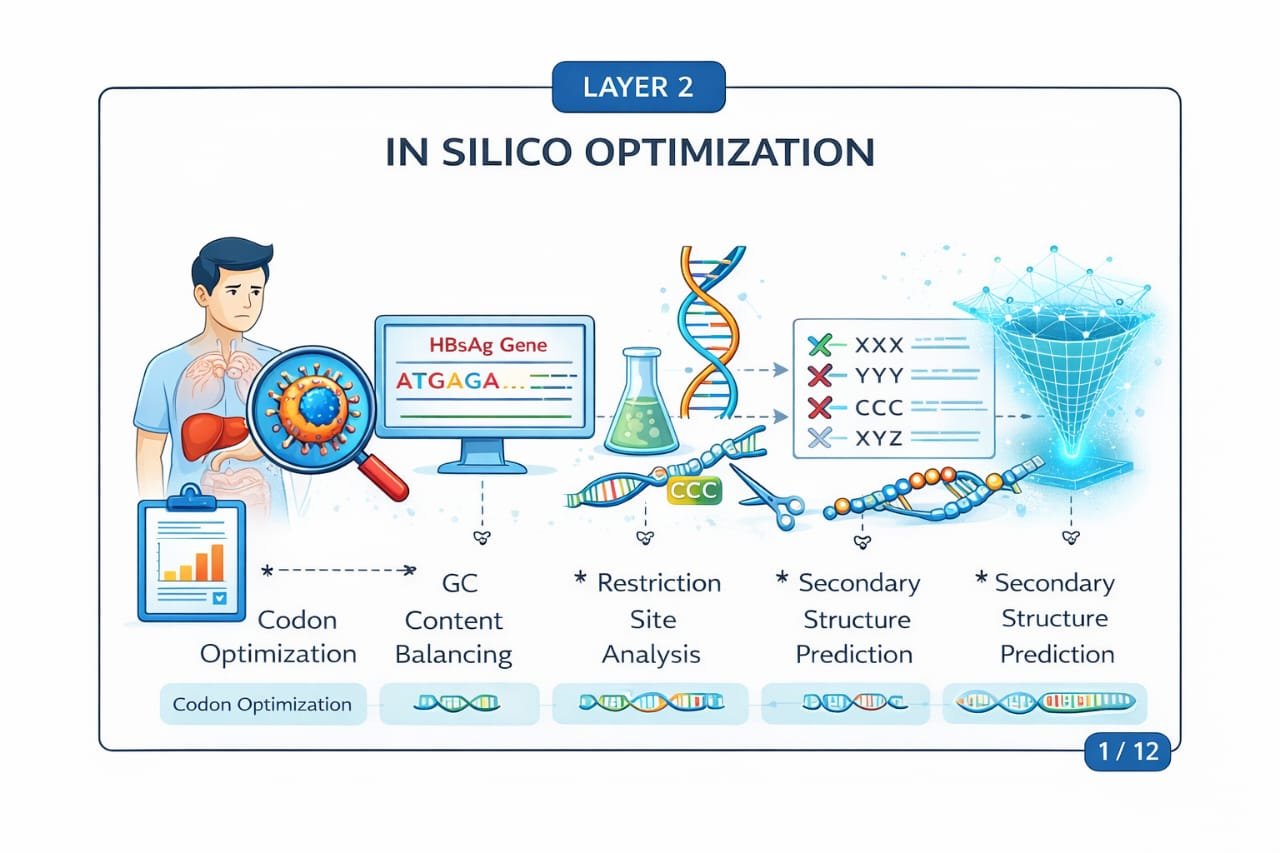
Molecular Modeling
In silico structure prediction and codon optimization using AI-driven bioinformatics pipelines.
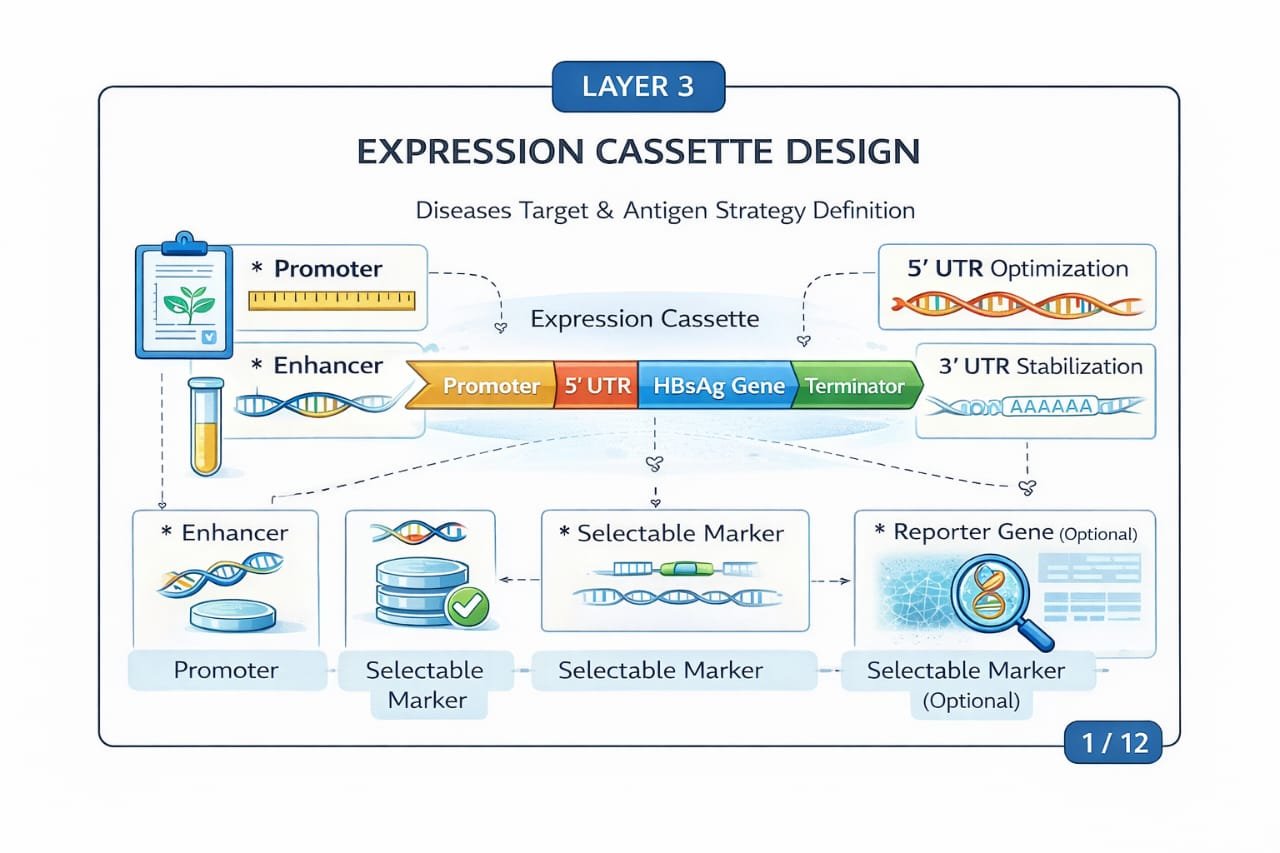
Vector Engineering
Construction of high-expression binary vectors designed for rapid leaf mobility and protein accumulation.
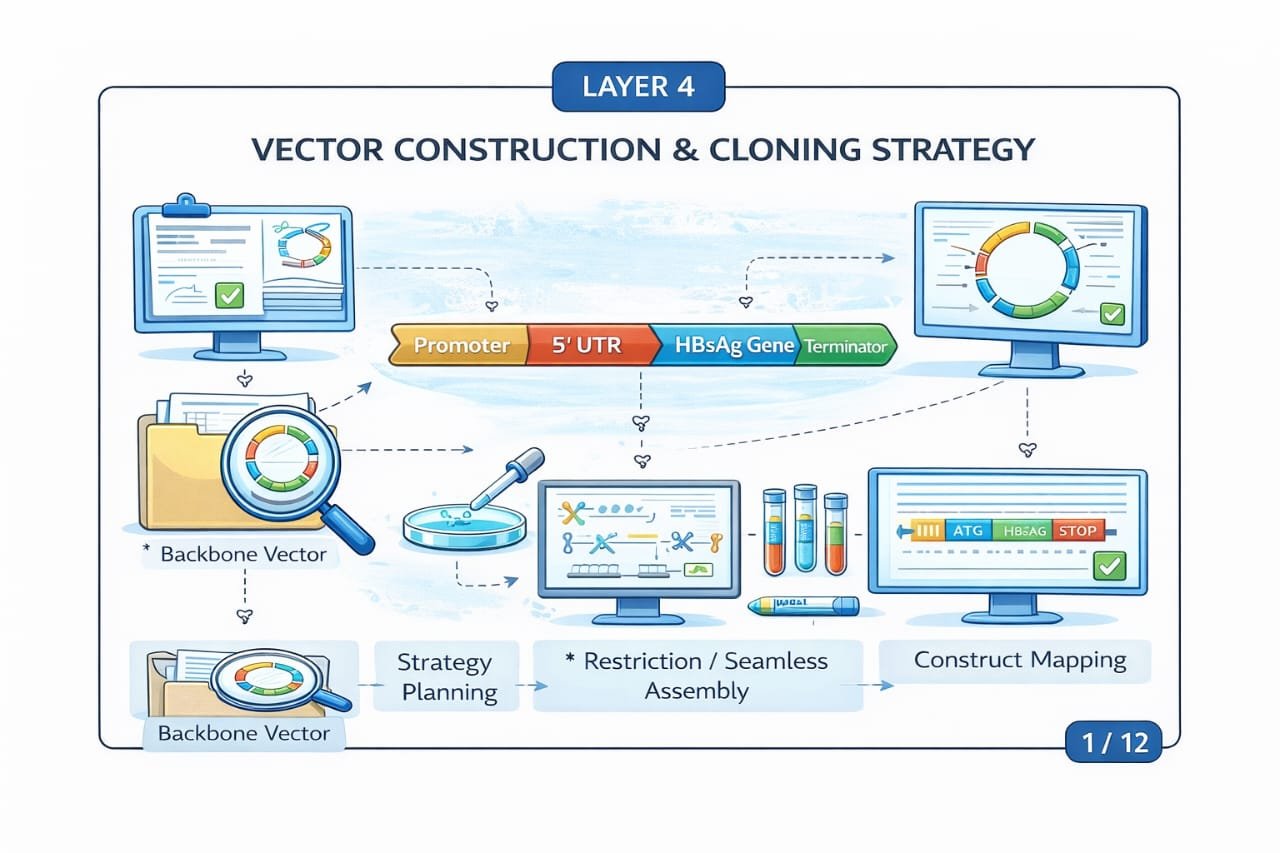
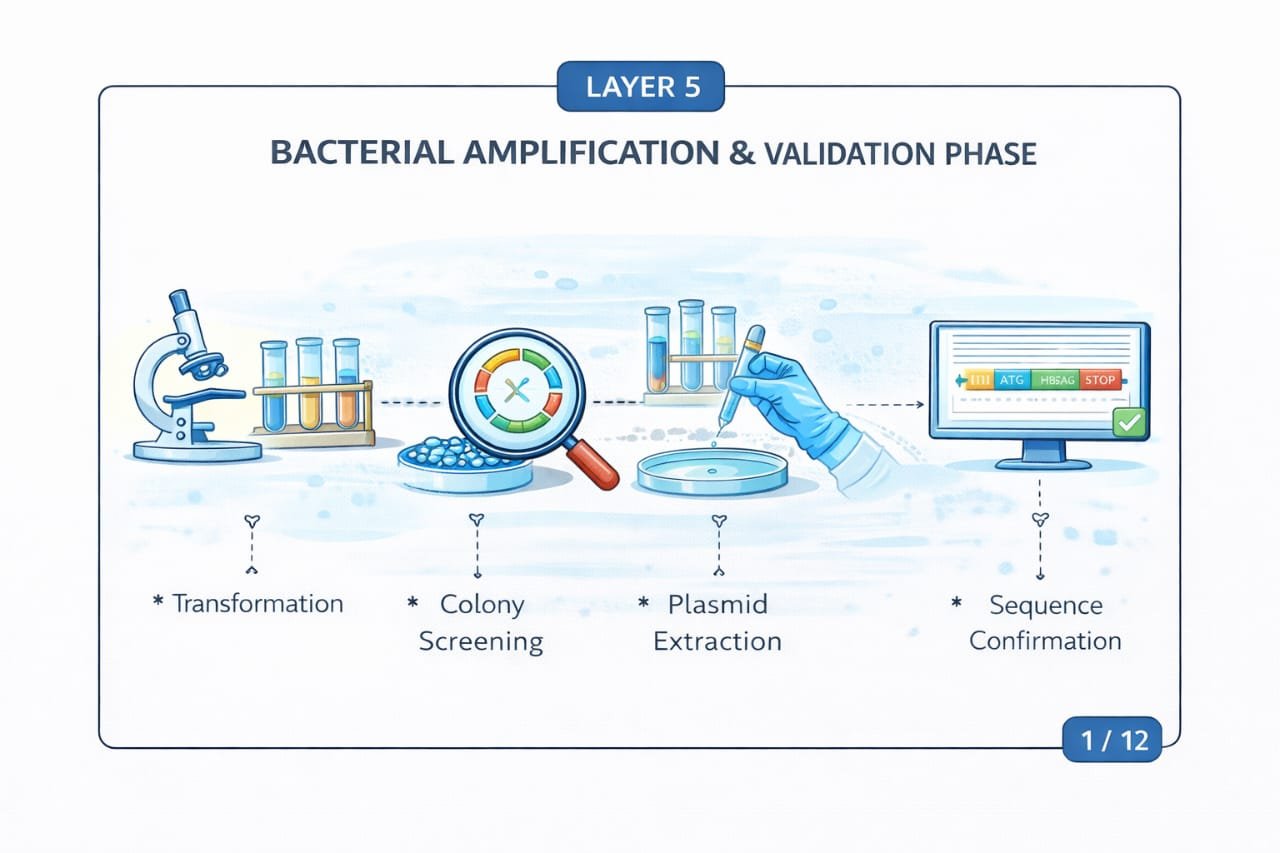
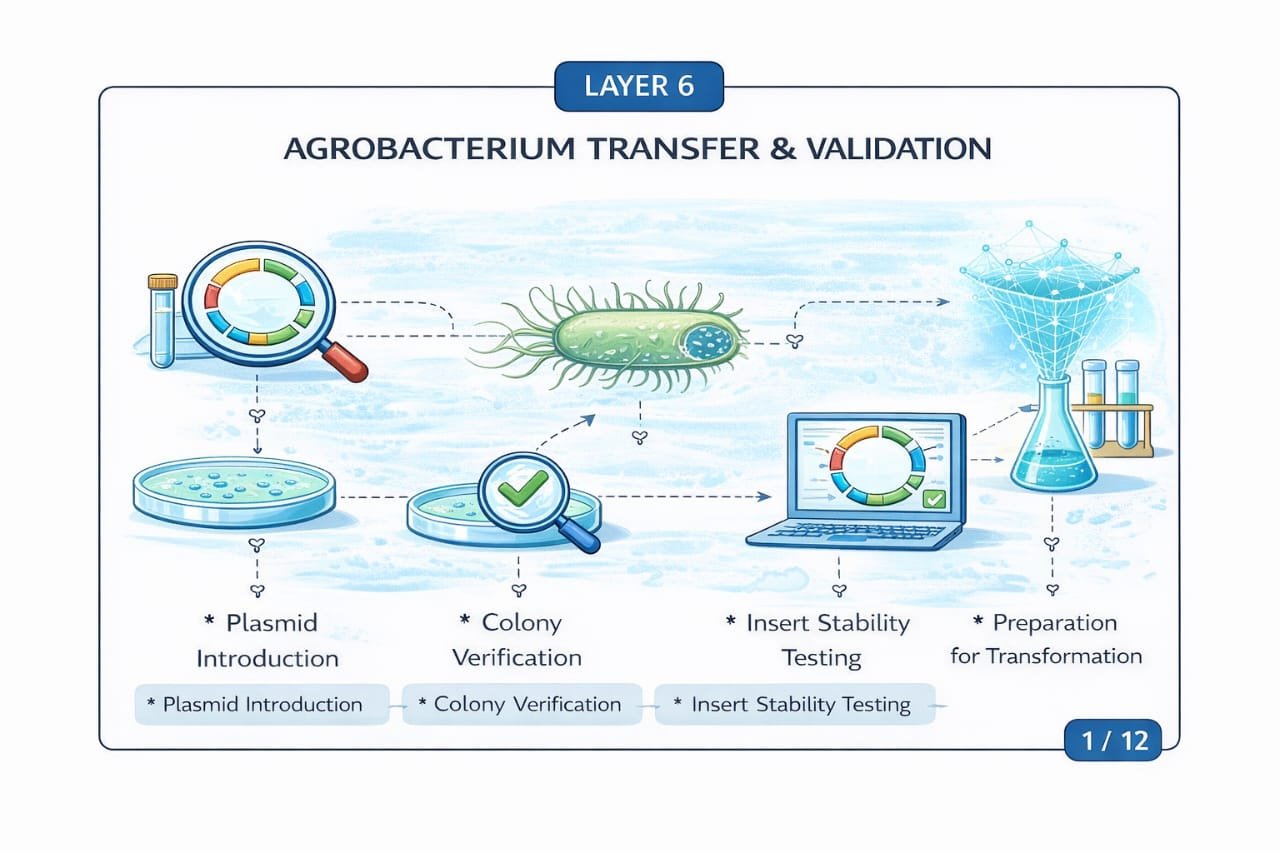
Bacterial Inoculation
Transformation of gene constructs into Agrobacterium tumefaciens ready for host plant entry.
Vacuum Infiltration
Large-scale immersion of host plants in antigen-carrying bacterial suspention using vacuum pressure.
Incubation Period
Controlled growth phase (5-7 days) where the plant biofactories synthesize the recombinant proteins.
Raw Harvesting
Automated harvesting of biomass at peak protein accumulation levels for immediate processing.
Biochemical Extraction
Disruption of plant cell walls and initial recovery of the soluble vaccine antigen proteins.
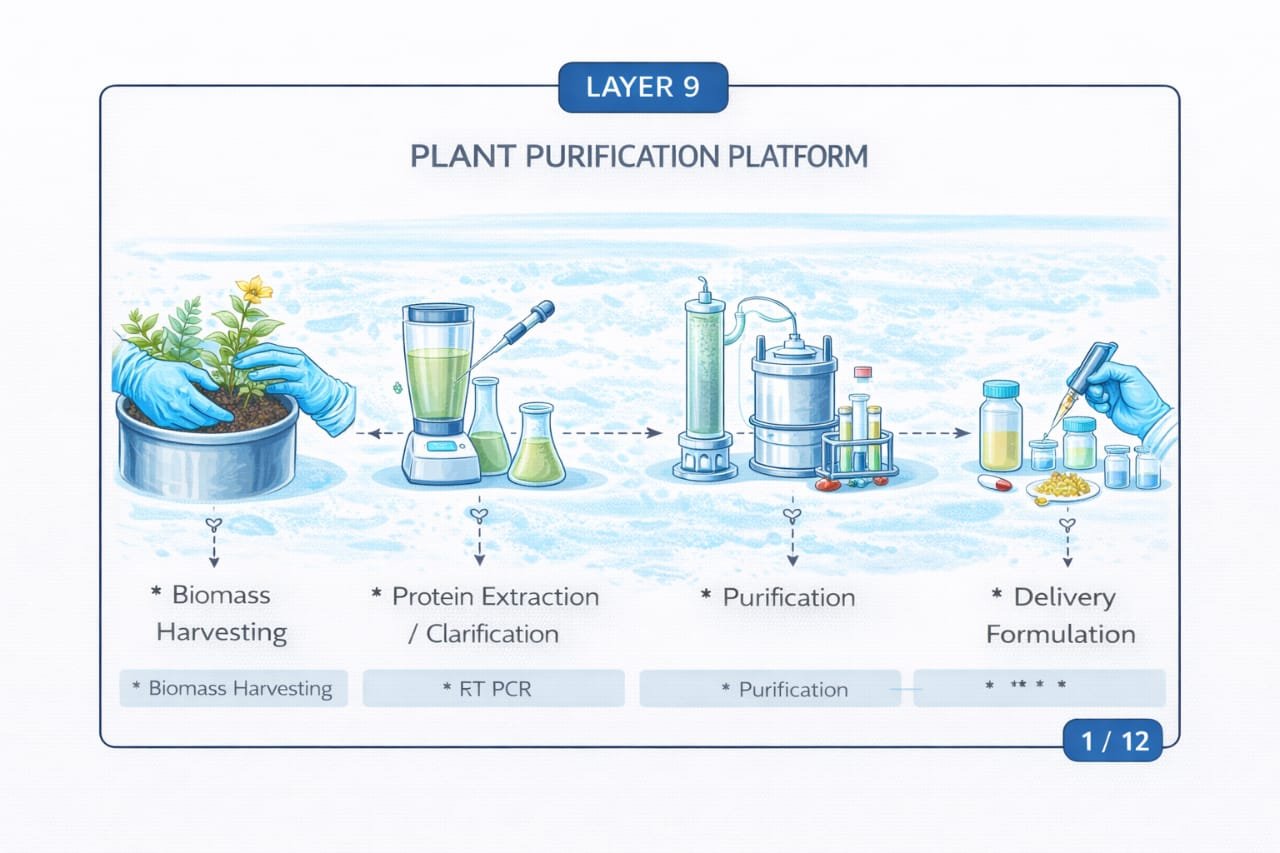
HPLC Purification
Multi-stage chromatography to achieve pharmaceutical-grade purity of the final antigen product.
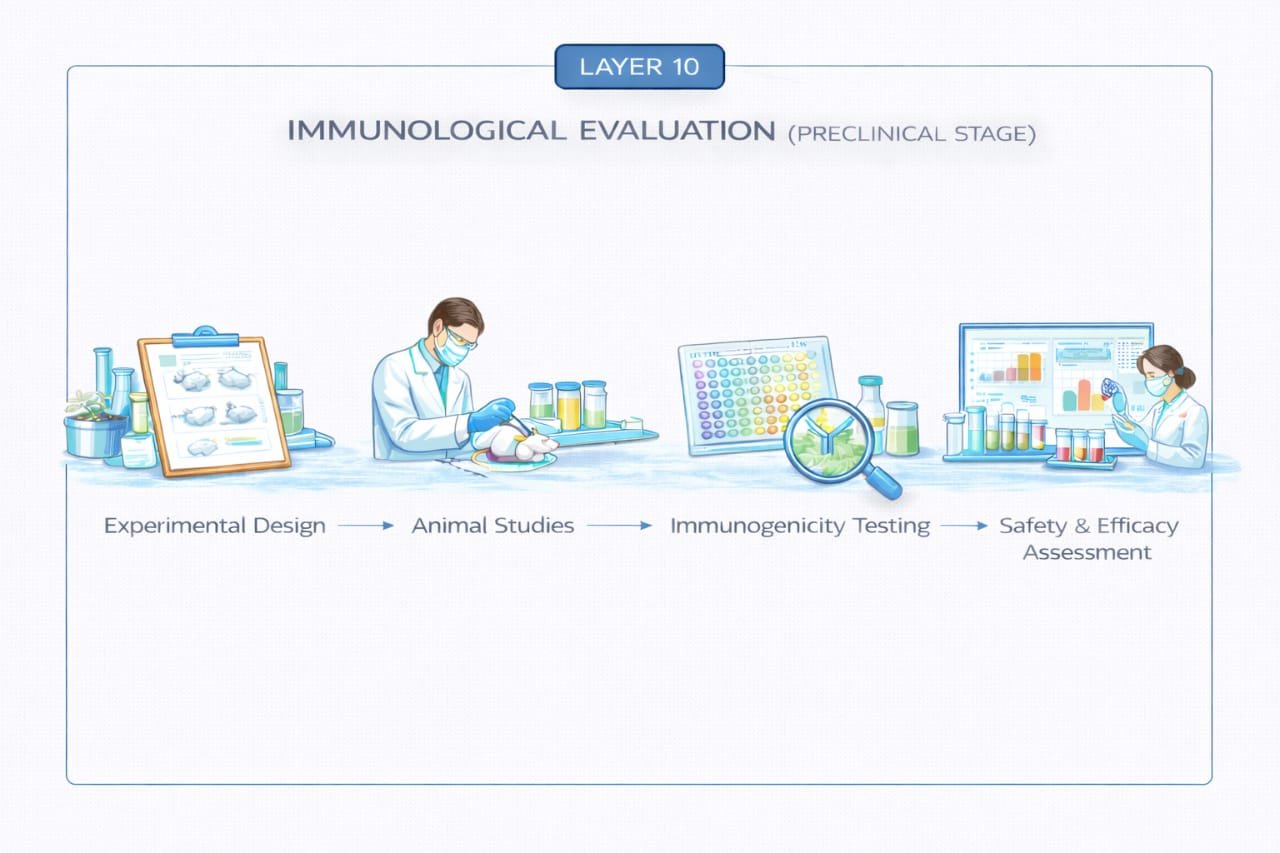
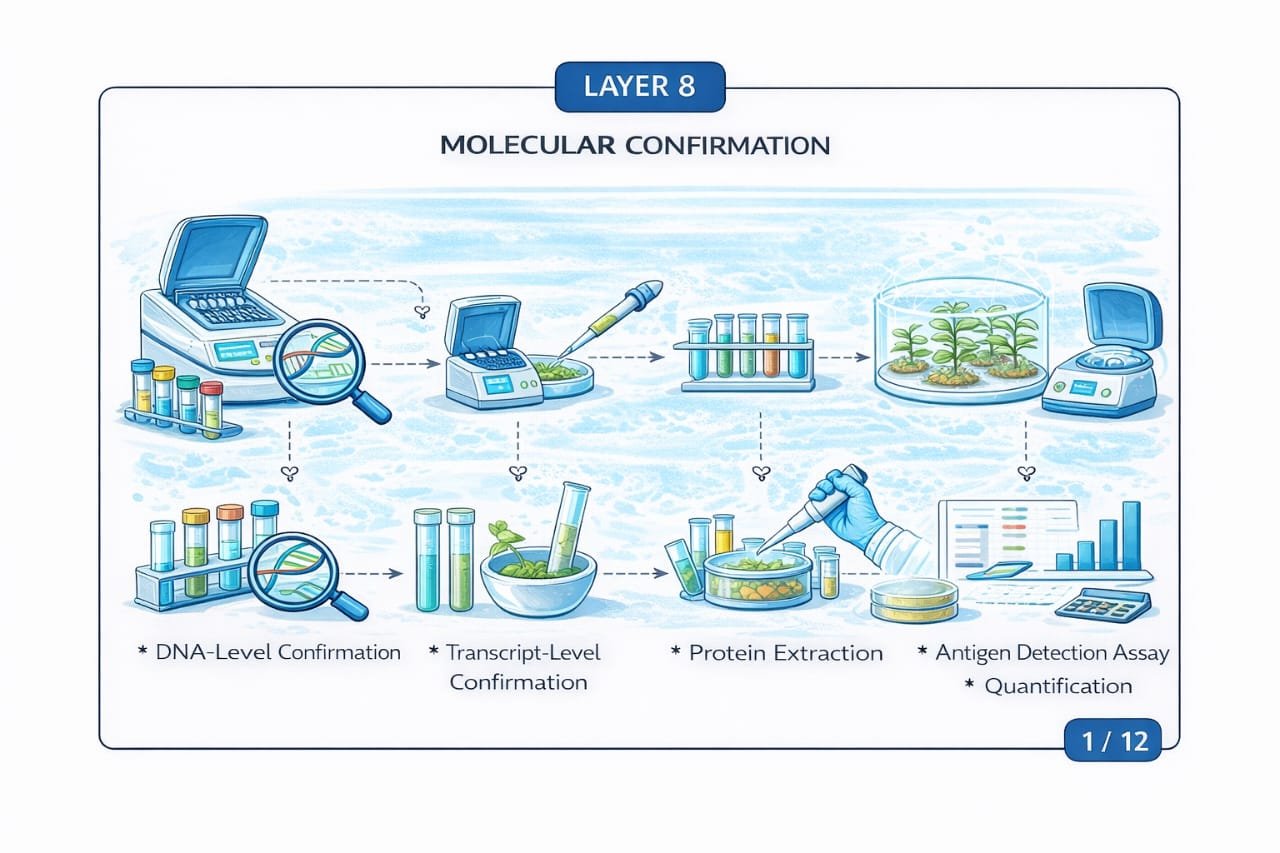
Quality Validation
Rigorous analytical testing including ELISA and Western Blot to confirm antigenicity and yield.
Nano-Formulation
Stabilization of antigens into final vaccine delivery systems for optimal shelf-life and efficacy.
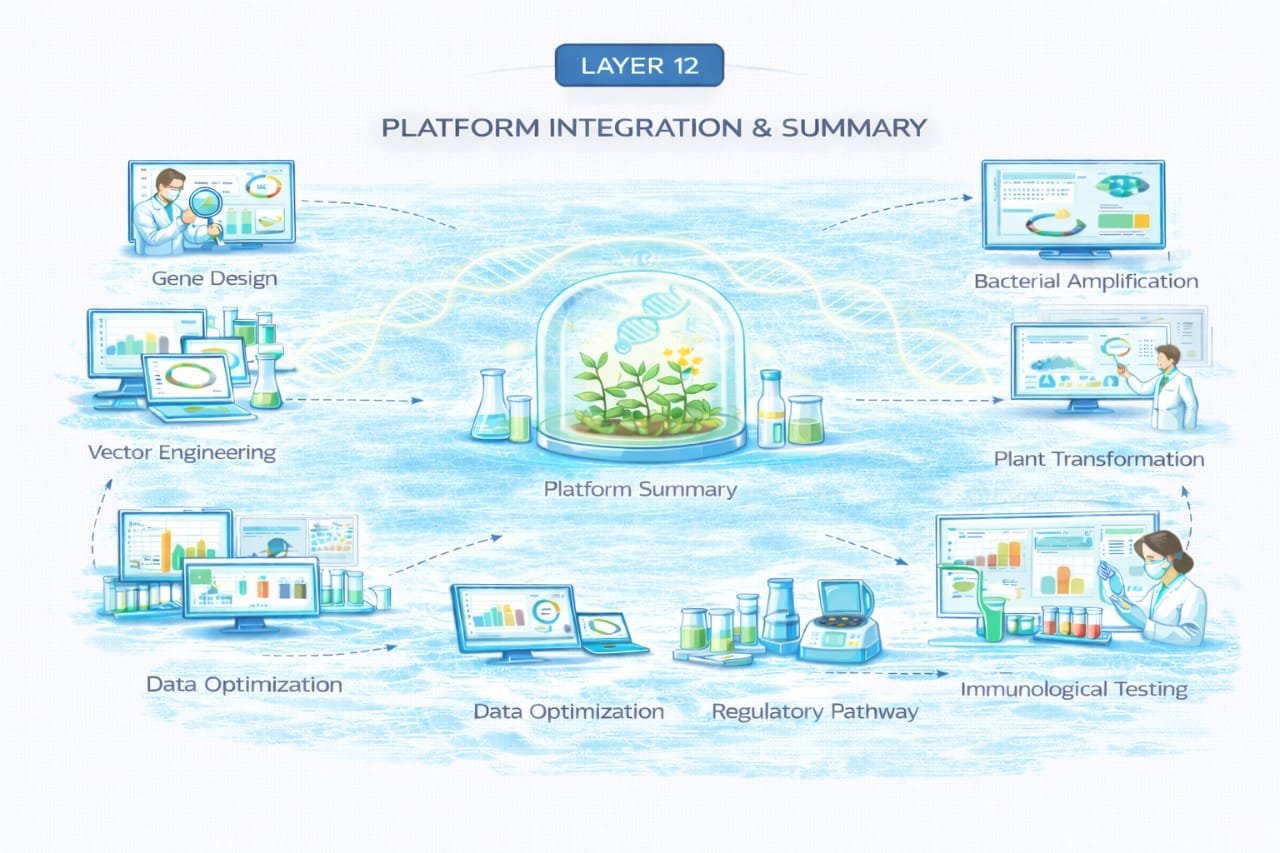
Bio-Storage & Delivery
Secure, monitored storage and logistics for deployment to healthcare centers and remote clinics.